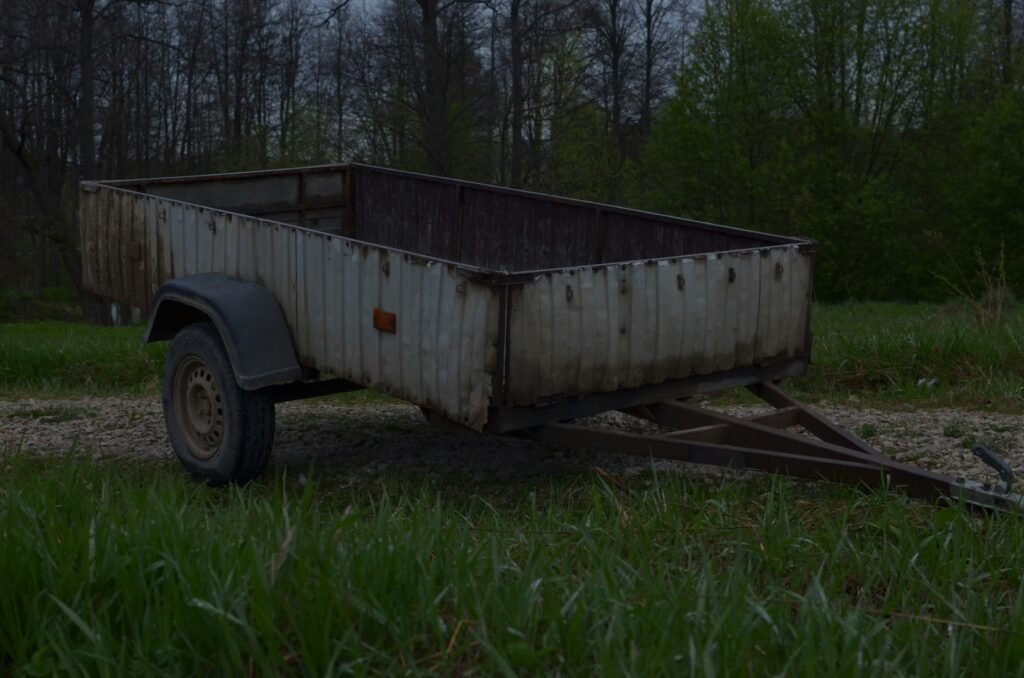
When you’re looking for a trailer to handle all your hauling needs around Gracemont, Apache, or anywhere in Oklahoma, a utility trailer is often the most versatile and budget-friendly option. But don’t let the “utility” name fool you – these workhorses can do so much more than just haul dirt! We’re here to help you understand just how much you can accomplish with the right utility trailer.
Hauling Projects: From Weekend Chores to Major Moves
Utility trailers are the backbone of getting things done, whether it’s a small task or a significant project. The beauty of a utility trailer lies in its open deck design, which allows you to carry a wide variety of items that might not fit in a truck bed or require more space than a specialized trailer.
Landscaping and Gardening Tasks
Spring cleaning in your yard or preparing for a new garden often involves hauling bulky materials. Think bags of mulch, topsoil, gravel, or even that old shed you’re finally getting rid of. A utility trailer makes it easy to transport large quantities of these items from the garden center or to the disposal site. For those with a green thumb, transporting young trees, shrubs, or even larger potted plants is a breeze. Ensure your trailer has good tie-down points to keep your precious cargo secure and prevent shifting during transport.
Home Improvement and Renovation Projects
Embarking on a DIY home improvement project? You’ll likely need to haul lumber, drywall, paint, tools, or construction debris. A utility trailer can significantly simplify these trips. Instead of making multiple runs to the hardware store or waste disposal facility, you can often get everything done in one go. When dealing with heavy building materials, it’s crucial to understand your trailer’s Gross Vehicle Weight Rating (GVWR). This rating tells you the maximum weight your trailer, including its own weight and the cargo, can safely carry. Overloading is dangerous and can damage your trailer and vehicle.
Moving and Transporting Belongings
While not a replacement for a fully enclosed cargo trailer for long-distance moves of furniture, a utility trailer is perfect for smaller moves, like transporting items to storage, helping a friend move across town, or bringing furniture from a garage sale home. You can often strap down couches, tables, or boxes securely, making sure they arrive at their destination in good condition. For larger items, consider a trailer with higher sides or even a mesh railing system to provide added security.
Hauling Recreational Gear
When it’s time for some fun, your utility trailer can be your adventure companion. Load up your ATVs, dirt bikes, bicycles, kayaks, or even a small boat. Many utility trailers are equipped with ramps, making it incredibly easy to load and unload powered equipment. When carrying recreational vehicles, always ensure they are properly secured with straps, chocks, and wheel nets to prevent any movement during travel.
Utility trailers are incredibly versatile and can be used for a variety of purposes, from transporting goods to serving as a mobile workspace. For those looking to maximize the utility of their trailers, it’s essential to understand the best practices for loading and securing cargo. A related article that provides valuable insights on this topic can be found at Buster Trailer Sales, where you can learn about the most effective ways to utilize your utility trailer for various tasks, ensuring safety and efficiency in all your hauling needs.
Choosing the Right Size for Your Needs
One of the most critical decisions when buying a utility trailer is selecting the right size. This isn’t just about fitting your items; it’s also about safety and maneuverability on Oklahoma roads.
Understanding Trailer Dimensions
Utility trailers come in various widths and lengths. Common sizes include 5×8 feet, 6×10 feet, and 7×12 feet. The width of the trailer is often determined by the standard road lane width, so going too wide can cause issues. The length directly impacts how much cargo you can fit lengthwise.
Calculating Your Cargo Needs
Before you even look at trailers, take stock of the typical items you’ll be hauling. Measure the dimensions of your largest regularly transported items. If you frequently haul a specific piece of equipment, like a mower or an ATV, get its dimensions. Add a buffer for strapping and maneuvering. For instance, if your mower is 7 feet long, a 10-foot trailer will give you room to secure it and access the ramp.
Considering Tow Vehicle Capacity
Your trailer’s GVWR and the weight of your cargo must be less than your tow vehicle’s towing capacity. This is a critical safety factor. Exceeding your vehicle’s towing limit can lead to loss of control, brake failure, and severe accidents. Always consult your vehicle’s owner’s manual for its specific towing capacity.
Maneuverability and Storage
A smaller trailer, like a 5×8, will be easier to maneuver in tight spaces and store in your driveway or garage. Larger trailers, while offering more hauling space, can be more challenging to back up and require more storage room. Think about where you’ll be using the trailer most and where you’ll keep it when it’s not in use.
Essential Features for Enhanced Utility
Beyond the basic deck, several features can significantly enhance the functionality and convenience of your utility trailer.
Ramps: The Gateway to Easy Loading
A ramp is almost a must-have for utility trailers, especially if you plan on hauling wheeled items like ATVs, lawnmowers, or motorcycles. There are several types of ramps:
- Stand-up Ramps: These fold up against the trailer deck when not in use, making them convenient.
- Bi-fold Ramps: These fold in half and are often wider, offering more stability.
- Mesh Ramps: These are lightweight and allow dirt and debris to fall through, which is ideal for off-road vehicles.
- Car Ramps: Longer and often more robust, designed specifically for loading vehicles.
When choosing a ramp, consider the weight of the items you’ll be loading. Ensure the ramp’s weight capacity, combined with the trailer’s overall capacity, is sufficient. Also, think about the angle of the ramp. A steeper ramp can be difficult to navigate with heavier or lower-clearance vehicles. Many utility trailers come with integrated ramps, while others offer them as an option.
Stake Pockets and Tie-Down Points
These are simple but incredibly important. Stake pockets allow you to insert wooden stakes to create temporary sides for your trailer, essentially turning it into a flatbed with sides. This is great for preventing loose items from falling off. Ample tie-down points – D-rings, E-track, or robust stake pockets – are essential for securely fastening your cargo. Proper strapping techniques are crucial for safe transport.
Electric Brakes
For trailers with a higher GVWR, electric brakes are highly recommended and often legally required. They provide much better stopping power and reduce the strain on your tow vehicle’s brakes. Understanding the trailer brake system and how to connect and test it is vital for safe towing.
Meshing and Railings
Some utility trailers come with mesh sides or removable railings. These can be excellent for keeping smaller items contained or for providing additional tie-off points. They can also prevent items from shifting during transit.
Check out the latest trailers for sale at Buster Trailer Sales.
Hauling Livestock: Special Considerations for Farmers and Ranchers
While a standard utility trailer can haul some animals, specialized livestock trailers are usually the best option for transporting cattle, horses, or smaller farm animals. However, if you have a robust utility trailer with high sides and secure tie-downs, it can work for short distances or lighter loads.
Safety First for Animals
When hauling livestock in any trailer, safety is paramount. Ensure the trailer has no sharp edges or protruding objects that could injure the animals. Adequate ventilation is crucial to prevent overheating, especially during Oklahoma’s warmer months. The floor should provide good traction to prevent slips.
Secure Containment
Animals can shift their weight, especially during turns or braking. This means the trailer needs to be strong enough to withstand these forces and the animals need to be securely contained. Use sturdy gates or panels that can be locked in place. For larger animals, consider a trailer with dividers to keep them from jostling each other.
Trailer Size and Animal Capacity
The size of your trailer will dictate how many animals you can safely transport. Overcrowding is dangerous and stressful for the animals. Research the recommended space per animal for the type you are hauling.
Legal Requirements
Check local and state regulations regarding livestock transport. There may be specific requirements for trailer construction, animal welfare, and transport documentation.
Utility trailers are incredibly versatile tools that can greatly enhance your ability to transport goods, whether for personal projects or business needs. From moving furniture to hauling landscaping materials, the best ways to use them often depend on your specific requirements. For those interested in exploring various options for acquiring a utility trailer, you might find valuable insights in this related article on rent-to-own options, which can help you find the perfect trailer without a large upfront investment.
Maintenance and Longevity: Keeping Your Trailer in Top Shape
To ensure your utility trailer serves you well for years to come, regular maintenance is key. This is especially important in Oklahoma, where weather conditions can vary significantly.
Tire Care
Your trailer tires are critical for safe towing. Regularly check tire pressure and ensure it’s at the recommended PSI found on the tire sidewall or your trailer’s manual. Inspect tires for any signs of wear, cracking, or bulges. Properly inflated tires reduce the risk of blowouts and improve fuel efficiency. Remember that trailer tires often carry a heavier load than car tires and can wear differently.
Brake System Checks
If your trailer has electric brakes, regularly inspect the brake controller in your vehicle and the brake components on the trailer. Ensure they are functioning correctly before each trip. A simple test involves engaging the manual control on your trailer brake controller to feel the trailer brakes apply.
Bearing and Hub Maintenance
The wheel bearings are vital components that allow your wheels to spin freely. These should be inspected periodically and re-greased as needed. Listen for any unusual noises like grinding or squeaking, which could indicate bearing problems. Proper lubrication prevents premature wear and potential failure.
Lights and Electrical Systems
All trailer lights – brake lights, turn signals, and running lights – must be functional and visible. Check them before every trip, especially if you’ll be towing in low light conditions or at night. Clean the electrical connections to prevent corrosion.
Cleaning and Rust Prevention
Regularly clean your trailer, especially after hauling dirt, mud, or corrosive materials. This helps prevent rust, particularly on the trailer frame and deck. For metal trailers, consider applying a protective coating or wax. If you notice any surface rust, address it promptly to prevent it from spreading.
Suspension and Axle Inspection
Periodically inspect the trailer’s axles and suspension components for any signs of damage, bending, or wear. Ensure all bolts and fasteners are tight. The axles and suspension are critical for distributing the load evenly and providing a smooth ride.
Financing and Rentals: Making Your Trailer Purchase Accessible
At Buster Enterprises, we understand that purchasing a trailer is an investment. We offer various options to make it easier for you to get the right trailer for your needs in Oklahoma.
Trailer Financing Options
We work with reputable lenders to offer competitive financing plans. This can allow you to spread the cost of your trailer over time, making it more manageable. We can guide you through the application process to find a plan that fits your budget. Factors like your credit history and the trailer’s price will influence the terms available.
Trailer Rentals
If you only need a trailer for a specific project or occasional use, renting might be a more economical choice than buying. We offer a selection of utility trailers for rent, allowing you to access the hauling capacity you need without the long-term commitment of ownership. Rental rates are typically daily, weekly, or monthly, depending on your needs. This is a great way to try out a different trailer size or type before making a purchase.
Why Choose Buster Enterprises?
As your local Oklahoma trailer dealer, we pride ourselves on offering quality trailers and honest advice. We serve Gracemont, Apache, and the surrounding communities with a commitment to customer satisfaction. Our team is knowledgeable about trailers, towing, and the specific needs of Oklahomans. Whether you’re looking to haul equipment for your farm, materials for a home renovation, or gear for your weekend adventures, we have a utility trailer solution for you.
Don’t let your next project be limited by your hauling capacity. Explore the versatility of utility trailers and find the perfect fit for your work and play.
Ready to find the utility trailer that can tackle any job you throw at it? Browse our current inventory online or visit us at Buster Enterprises Trailer Sales. You can also call us to discuss your specific needs and check availability!
FAQs
What is a utility trailer?
A utility trailer is a non-motorized vehicle that is designed to be towed by a motorized vehicle. It is typically used for transporting goods, equipment, or other items from one location to another.
What are the best ways to use a utility trailer?
Utility trailers can be used for a variety of purposes, including transporting furniture during a move, hauling landscaping materials, carrying recreational vehicles such as ATVs or motorcycles, and transporting construction materials and equipment.
What are the different types of utility trailers available?
There are several types of utility trailers available, including enclosed trailers, open trailers, flatbed trailers, and dump trailers. Each type of trailer is designed for specific purposes and has its own set of features and benefits.
What are some safety tips for using a utility trailer?
When using a utility trailer, it is important to ensure that the trailer is properly attached to the towing vehicle, that the load is properly secured, and that the trailer is in good working condition. It is also important to drive at a safe speed and to be aware of the trailer’s weight and dimensions.
What are some important factors to consider when purchasing a utility trailer?
When purchasing a utility trailer, it is important to consider factors such as the trailer’s weight capacity, size, and construction materials. It is also important to consider the towing vehicle’s towing capacity and any local regulations or requirements for towing trailers.